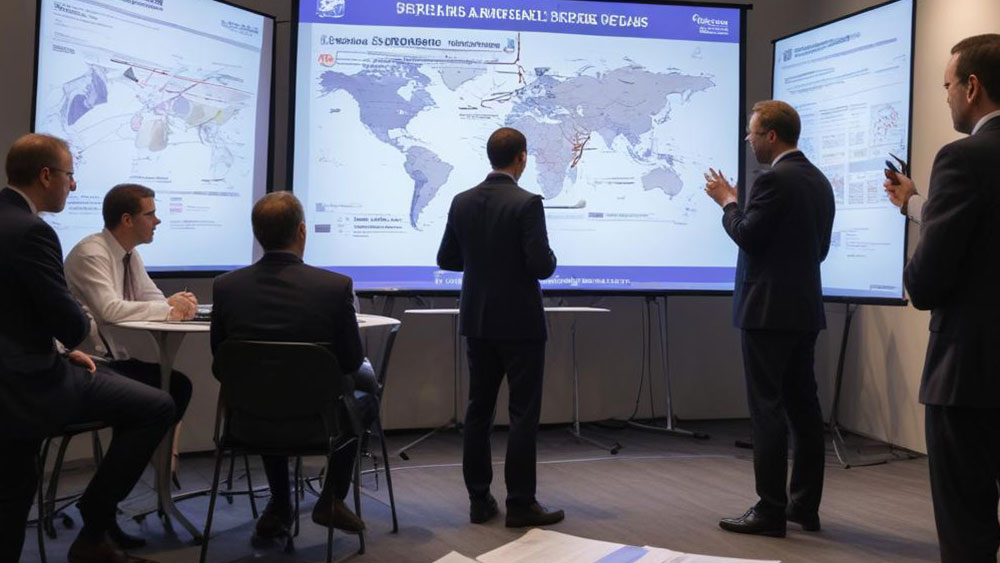
Strategies for Sustainable Conference Management
The conference industry is evolving rapidly in response to global challenges and shifting dynamics. We recognise the need for innovative and sustainable conference management strategies. This article explores the key factors essential for ensuring conferences remain viable, adaptable, and resilient in an ever-changing environment.
Today’s conference management faces numerous complexities, including health concerns, travel restrictions, and economic uncertainties. Addressing these challenges requires a comprehensive approach that integrates safety, flexibility, and technological advancements. Ensuring the well-being of attendees involves implementing rigorous health protocols, such as regular sanitisation, social distancing measures, and health screenings. Contactless check-ins, digital health passes, and readily available hand sanitisation stations are essential components of a modern conference setup.
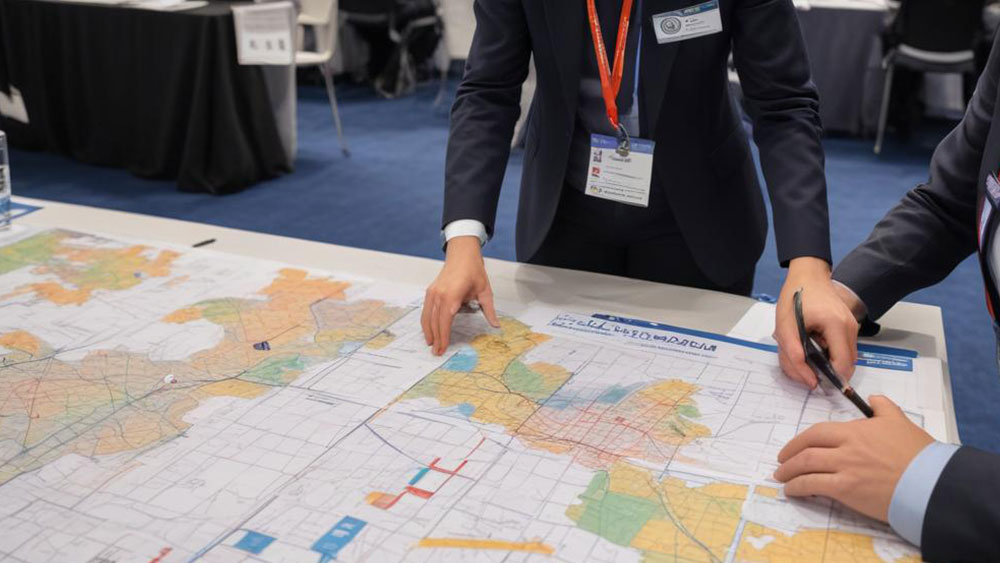
Fluctuating travel restrictions and quarantine requirements pose challenges for conference attendees. Building partnerships with local hotels and travel agencies can provide attendees with flexible booking options, ensuring they can adapt their plans without incurring penalties. These partnerships also enhance the overall attendee experience by offering seamless and stress-free travel arrangements.

Hybrid conferences, which combine in-person and virtual elements, have become a cornerstone of sustainable conference management. This model accommodates diverse attendee preferences and expands the reach of the conference, making it accessible to a global audience. A robust technological infrastructure is crucial for the success of hybrid conferences. High-quality video streaming, reliable internet connectivity, and interactive virtual platforms ensure remote attendees can fully participate. Features such as virtual networking lounges, live polls, and Q&A sessions can replicate the interactive nature of in-person events, enhancing engagement.
Hybrid conferences offer an opportunity to make events more inclusive and accessible. By providing virtual attendance options, conferences can reach individuals who face geographical, financial, or health-related barriers. This inclusivity enriches the conference experience by bringing together a diverse range of perspectives and expertise.
In a recovering economy, financial prudence is essential for sustainable conference management. Balancing cost-efficiency with investments in quality and innovation is key to maintaining financial health. Adopting flexible pricing strategies, such as tiered ticketing, early bird discounts, and group rates, can attract a broader range of attendees. Additionally, offering sponsorship packages with clear benefits can secure financial support from businesses looking to increase their visibility and engage with target audiences.
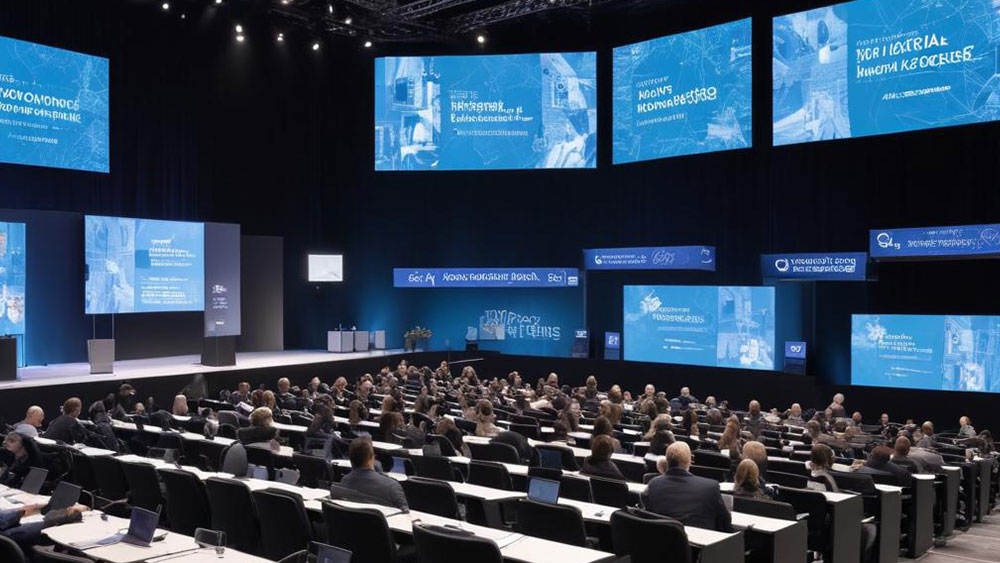
Leveraging digital technologies can reduce costs associated with physical venues, printed materials, and travel expenses. Virtual platforms and digital marketing strategies can reach wider audiences more cost-effectively, ensuring conferences remain financially viable.
The unpredictability of future events necessitates robust contingency planning. Developing flexible, scalable plans ensures conferences can adapt quickly to changing circumstances without compromising quality or safety. Creating detailed scenario-based plans for various disruptions, such as epidemics or natural disasters, enables conference organisers to respond swiftly and effectively. These plans should outline procedures for transitioning to fully virtual events, managing outbreaks during in-person conferences, and maintaining clear communication with attendees.
Comprehensive insurance coverage and risk management practices are essential for mitigating financial losses due to unforeseen events. Collaborating with insurance providers to develop tailored policies for conference management can provide an additional layer of security and peace of mind.
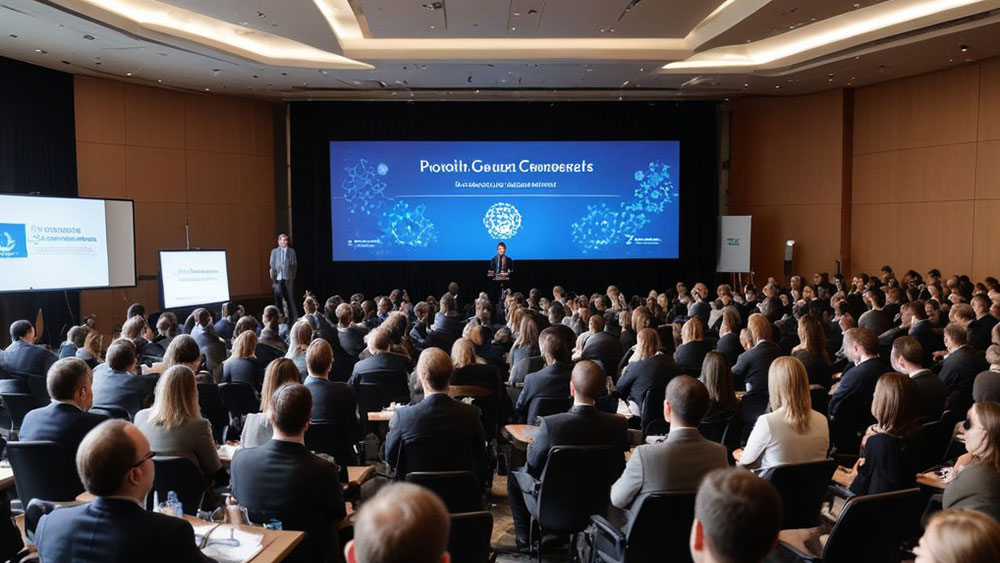
Sustainable conference management requires a holistic approach that prioritises health and safety, embraces hybrid models, ensures financial sustainability, and prepares for future uncertainties. By adopting these strategies, conference organisers can create resilient, adaptable, and inclusive events that meet the evolving needs of attendees and stakeholders. As we navigate this new landscape, innovative and sustainable practices will be the cornerstone of successful conference management, driving the industry forward into a more resilient and inclusive future.
Contact us today to discuss how we can help make your next conference a resounding success!


 Broadcast & Media
 Chemicals
 Information & Communications Technology
 Pharmaceuticals & Biotechnology
 Banking & Finance
 Energy
 Food Ingredients
 Mobility
 +65 6778 8057
 marketing@convergenceconcepts.com.sg
 51 Bras Basah Road,
#07-08 Lazada One,
Singapore 189554
51 Bras Basah Road,
#07-08 Lazada One,
Singapore 189554
